

Have you ever wondered why some healthy foods that cause bloating can ruin your day even after a nutritious meal?
It’s a common frustration where clean eating turns your gut into a gassy mess. ” The cruel irony of clean eating is that some of the most nutritious foods on the planet can turn your gut into a grumpy, gassy mess.
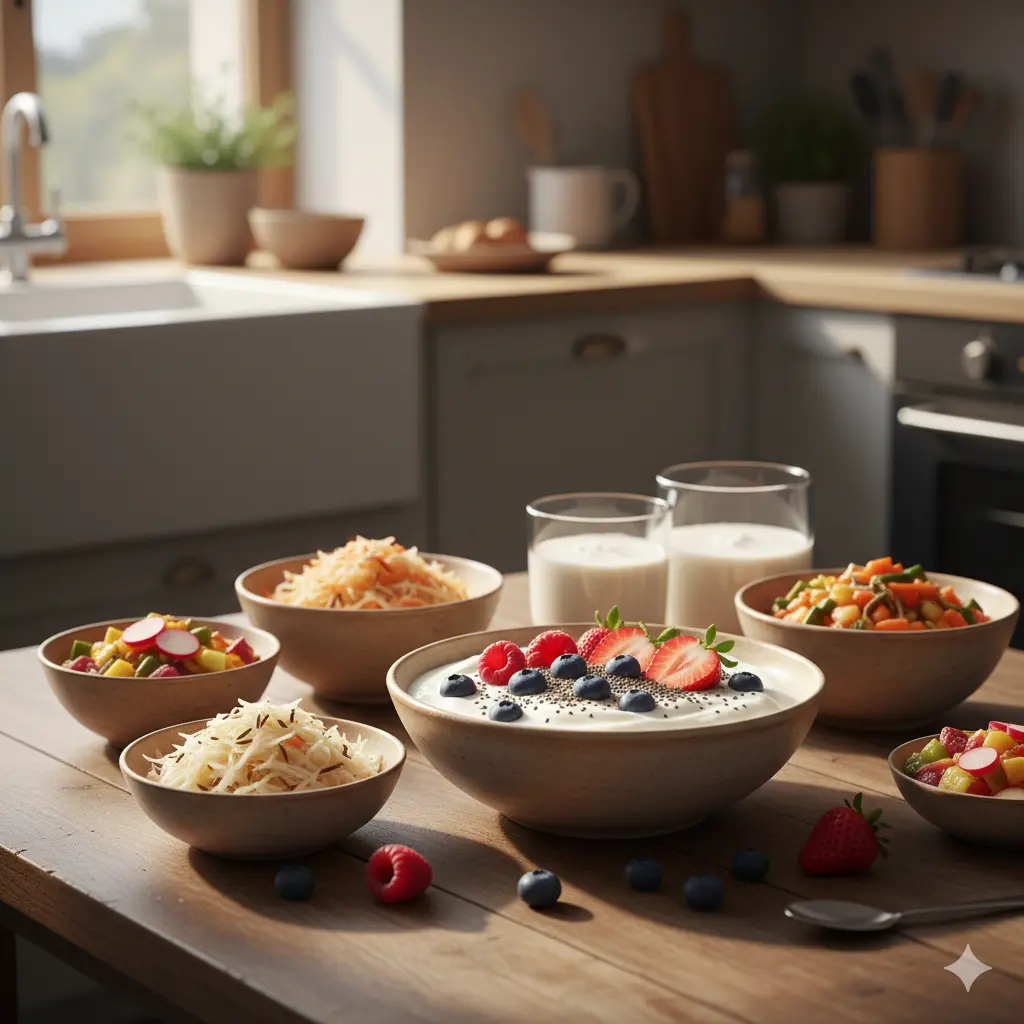
Here’s the thing nobody really warns you about when you decide to eat healthier. Those Instagram-worthy smoothie bowls and fiber-packed meals might be doing wonders for your overall health, but they could also be the reason you’re unbuttoning your jeans by three pm. Let’s break down why this happens and what you can actually do about it.
Why Does Healthy Food Cause Bloating Anyway?
So you’ve swapped out processed junk for whole foods and suddenly your stomach is acting like it’s personally offended. What gives?
The answer often comes down to something called FODMAPs — a fancy acronym for certain carbohydrates that ferment in your gut. These little troublemakers draw water into your intestines and become a feast for gut bacteria, which then produce gas as a lovely thank-you gift.
According to research from Monash University, the pioneers of FODMAP research, these fermentable carbs are found in tons of healthy foods. We’re talking fruits, vegetables, legumes, and whole grains. Basically, all the stuff your doctor keeps telling you to eat more of.
But here’s where it gets intresting. Your bloating and digestion issues aren’t necessarily a sign that these foods are bad for you. Sometimes your gut just needs time to adjust to the increased fiber intake. Other times, you might be dealing with common bloating triggers that are specific to your body.
The Sneaky Healthy Foods That Cause Gas and Bloating
Let’s get into the bloating foods list that might be sabotaging your comfort levels. These aren’t junk foods — they’re legitimately good for you. Which makes the whole situation even more frustrating.
Cruciferous Vegetables
Broccoli, cauliflower, Brussels sprouts, and cabbage are absolute nutritional powerhouses. They’re packed with vitamins, antioxidants, and cancer-fighting compounds. But they also contain raffinose, a complex sugar that your body struggles to break down. The result? Your gut bacteria have a field day fermenting it, and you end up feeling like a inflated balloon.
Legumes and Beans
Black beans, chickpeas, lentils — these protein-rich superstars are staples in healthy diets everywhere. They’re also notorious for causing gas and bloating after eating. The culprit is oligosaccharides, another type of carb that humans cant fully digest. Your large intestine takes over the job, and well, things get gassy.
Onions and Garlic
These flavor bombs are in practically everything, and they’re loaded with prebiotic fibers that feed your good gut bacteria. Sounds great until you realize they’re also high FODMAP foods that can trigger bloating, especially if you have a sensitive stomach or IBS.
Apples and Pears
An apple a day might keep the doctor away, but it could also keep your skinny jeans away. These fruits contain fructose and sorbitol, both of which can cause digestive drama in people who don’t absorb them well.
Whole Grains
Switching from white bread to whole wheat? Great for fiber intake, potentially not so great for your waistband in the short term. Whole grains are bloating triggers in healthy diet transitions because your gut microbiome needs time to adapt to the increased fiber load.
Foods That Cause Bloating in IBS — A Special Mention
If you’re dealing with irritable bowel syndrome, your list of problematic foods gets even longer. High FODMAP foods to avoid become especially important because your gut is already working overtime trying to manage symptoms.
Research published through Johns Hopkins Medicine suggests that following a low-FODMAP diet can significantly reduce bloating, gas, and abdominal pain in IBS sufferers. This doesnt mean cutting out healthy foods forever — it means figuring out which specific ones your body struggles with.
Common culprits for folks with IBS include wheat products, dairy, certain sweetners, stone fruits, and those beloved legumes we mentioned earlier. The tricky part is that everyone’s triggers are different, so what bothers your friend might be totally fine for you.

How to Reduce Bloating Fast — Practical Tips That Actually Work
Okay, enough about the problem. Let’s talk solutions. Here’s your bloating relief tips toolkit for when your stomach decides to act up.
If you’re new to healthy eating, don’t go from zero to sixty overnight. Gradually increase your fiber intake over several weeks to give your gut bacteria time to adjust. This is honestly one of the best digestion tips for bloating prevention.
Raw veggies are harder to digest than cooked ones. Lightly steaming or roasting your cruciferous vegetables can make them way easier on your system while still preserving most of their nutrients.
Soak Your Beans
Before cooking legumes, soak them overnight and rinse them thoroughly. This helps remove some of those troublesome oligosaccharides and can significantly reduce their gas-producing potential.
Stay Hydrated
Water helps fiber move through your digestive system more smoothly. Without enough fluids, all that healthy fiber just sits there and ferments. Not the vibe you’re going for.
Mind Your Portions
Sometimes bloating isn’t about what you eat but how much you eat at once. Smaller, more frequent meals can be gentler on your digestive system than three massive ones.
Move Your Body
A short walk after eating can work wonders for your gut health and bloating issues. Movement helps stimulate digestion and can prevent that uncomfortable post-meal puffiness.
The Bottom Line on Bloating Prevention
Here’s the honest truth about gut health foods to avoid — you probably shouldn’t avoid them completely. Most healthy foods that cause bloating are still incredible for your overall health. The goal isn’t elimination, it’s management.
Pay attention to your body. Keep a food diary if you need to. Notice which foods consistently cause problems and experiment with portion sizes, preparation methods, and food combinations.
Your bloating relief diet tips might look different from someone elses, and that’s perfectly okay. The journey to better digestion is personal, and what works is whatever helps YOU feel comfortable and nourished.
So the next time you’re eyeing that beautiful kale salad with chickpeas and garlic dressing, go for it. Just maybe start with a smaller portion and see how your stomach feels. Your gut will thank you for the patience, and eventually, you’ll find that sweet spot where healthy eating and comfortable digestion can actually coexist.
Because lets be real — life’s too short to be scared of broccoli.
🔬 Scientific & Medical References (External Sources)
- Harvard Health Publishing – Digestive Health & FODMAPs
https://www.health.harvard.edu/digestive-health - Monash University – Low FODMAP Diet (Global Authority)
https://www.monashfodmap.com - Cleveland Clinic – Bloating Causes & Gut Health
https://health.clevelandclinic.org/bloating-causes