
Okay, real talk. If you’ve been anywhere near wellness TikTok or health Twitter lately, you’ve probably seen the word fibermaxxing thrown around like confetti. And honestly? It’s not just another overhyped trend that’ll disappear by summer. Fibermaxxing 2026 is shaping up to be one of the most science-backed, actually-useful wellness movements we’ve had in a while. So let’s break it down — no fluff, no gatekeeping.
So What Even Is Fibermaxxing?
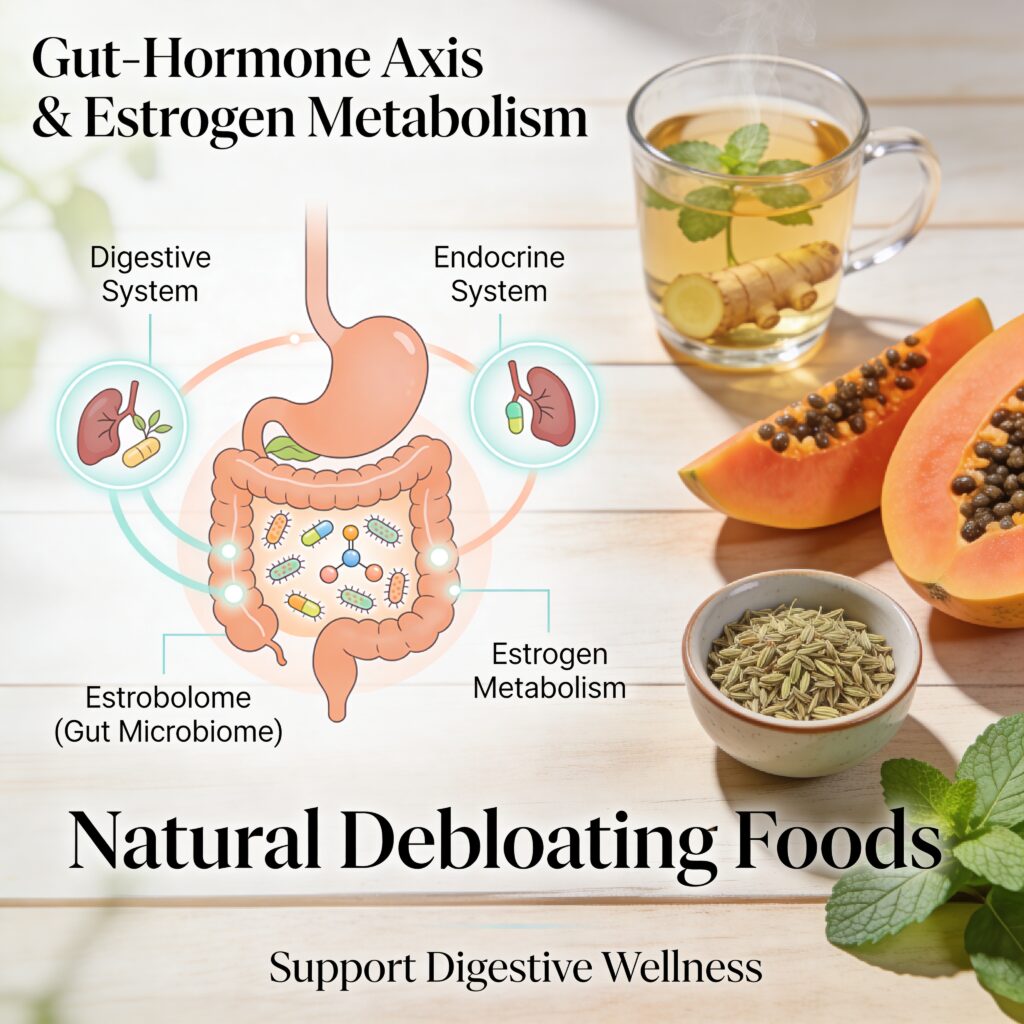
At its core, fibermaxxing is exactly what it sounds like. You’re strategically maximizing your fiber intake, but not just for digestion. We’re talking about leveraging functional foods to support your hormones, crush hormonal bloating, and basically turn your gut into a well-oiled machine.
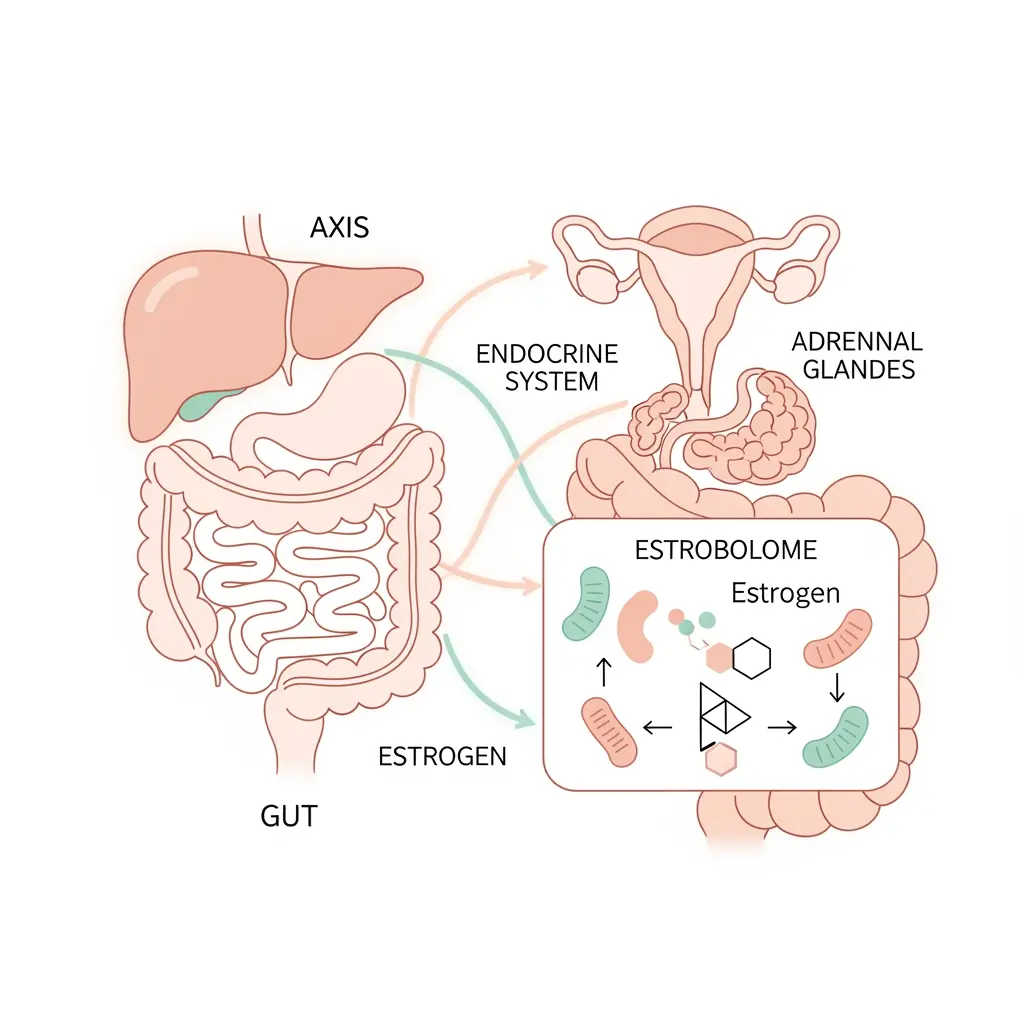
It’s not about choking down psyllium husk and calling it a day. The whole philosophy is rooted in understanding the gut-hormone axis — that wild, deeply interconnected relationship between your digestive system and your endocrine system. When your gut is off, your hormones feel it. When your hormones are off, your gut screams about it. It’s a two-way street that most people completley ignore until they’re dealing with breakouts, mood swings, or that stubborn belly bloat that won’t quit.
Why Your Gut and Hormones Are Basically Best Friends
Here’s the thing most people don’t realize. Your gut microbiome isn’t just sitting there digesting food. It’s actively involved in metabolizing hormones — particularly estrogen. There’s actually a collection of gut bacteria called the estrobolome that specifically handles estrogen metabolism. Wild, right?
When your microbiome health is compromised — maybe from stress, processed foods, antibiotics, or just life happening — the estrobolome can’t do its job properly. That leads to excess estrogen recirculating in your body instead of being eliminated. This is what people in the wellness space call the connection between fiber and estrogen dominance, and it’s a big deal.
Excess estrogen floating around can cause heavier periods, breast tenderness, weight gain around the hips and thighs, and yes — that awful puffy, uncomfortable hormonal bloating that makes you feel like you swallowed a balloon.
Soluble fiber plays a massive role here because it binds to that excess estrogen in the digestive tract and helps shuttle it out of your body. Think of it like a cleanup crew. Without enough fiber, your body just keeps recycling hormones it should be getting rid of.
The Best High-Fiber Foods for Hormone Balance
Alright, let’s get practical. If you’re looking for the best high-fiber foods for hormone balance, here’s where you wanna start. And no, you don’t need to revamp your entire kitchen overnight.
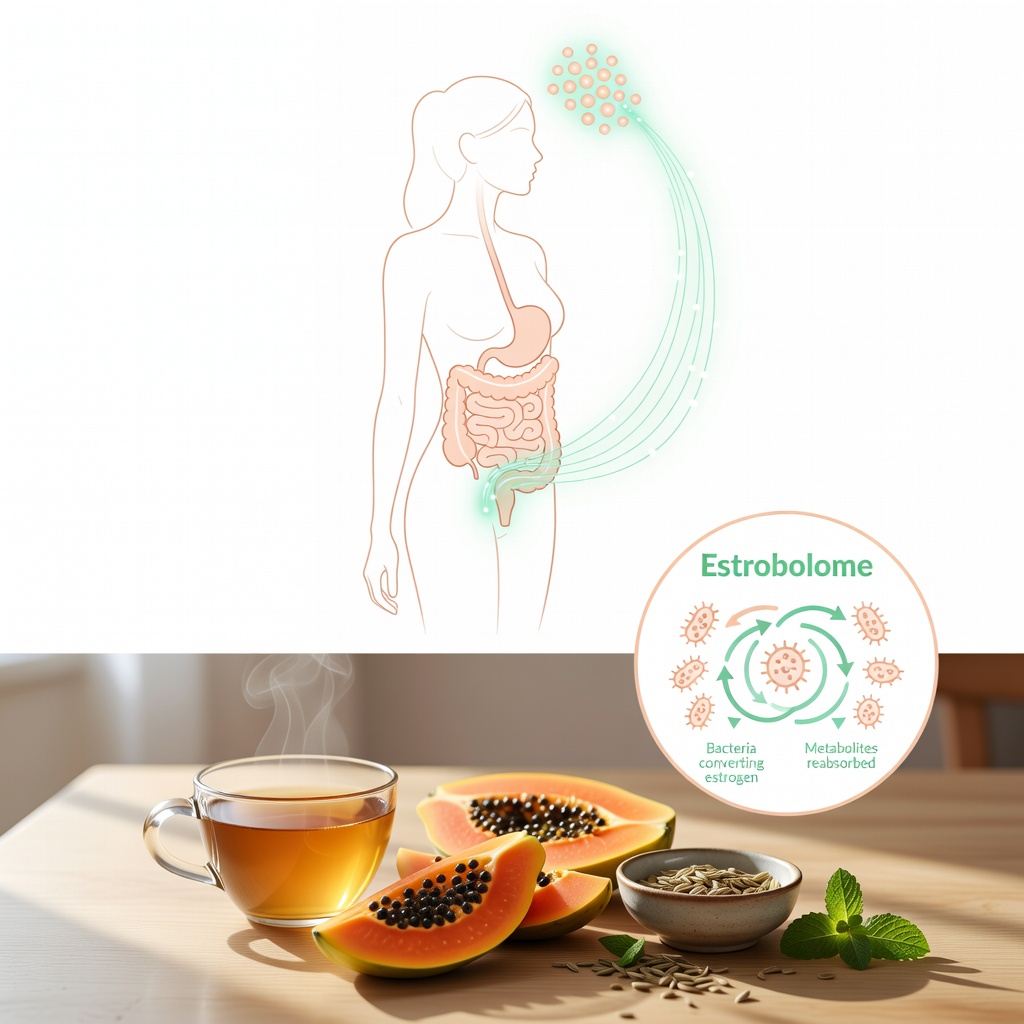
- Flaxseeds — These are the MVP of fibermaxxing. Packed with soluble fiber and lignans that support estrogen metabolism. Grind them fresh and toss them in smoothies, oatmeal, or even on top of avocado toast. Two tablespoons a day is a solid starting point.
- Chia seeds — Another powerhouse. They absorb water like crazy which helps keep things moving through your digestive tract. Great for anyone dealing with sluggish digestion alongside hormonal issues.
- Broccoli sprouts — These little guys contain sulforaphane which supports liver detox pathways. Your liver is where a ton of hormone processing happens, so giving it some love is key.
- Oats — Specifically steel-cut or rolled. They’re rich in beta-glucan, a type of soluble fiber that feeds your good gut bacteria. Prebiotic foods like oats are the foundation of a healthy estrobolome.
- Lentils and chickpeas — Absolute fiber bombs. They’re also loaded with plant-based protein which helps stabilize blood sugar, and blood sugar swings are another sneaky driver of hormonal chaos.
- Jerusalem artichokes — Underrated and honestly kinda slept on. These are one of the richest natural sources of inulin, a prebiotic fiber that your gut bacteria absolutley love.
How to Debloat Fast With Functional Foods
Now if you’re reading this mid-bloat and need some relief like yesterday, here’s a quick rundown of functional foods for gut health and debloating that can actually make a noticable difference.
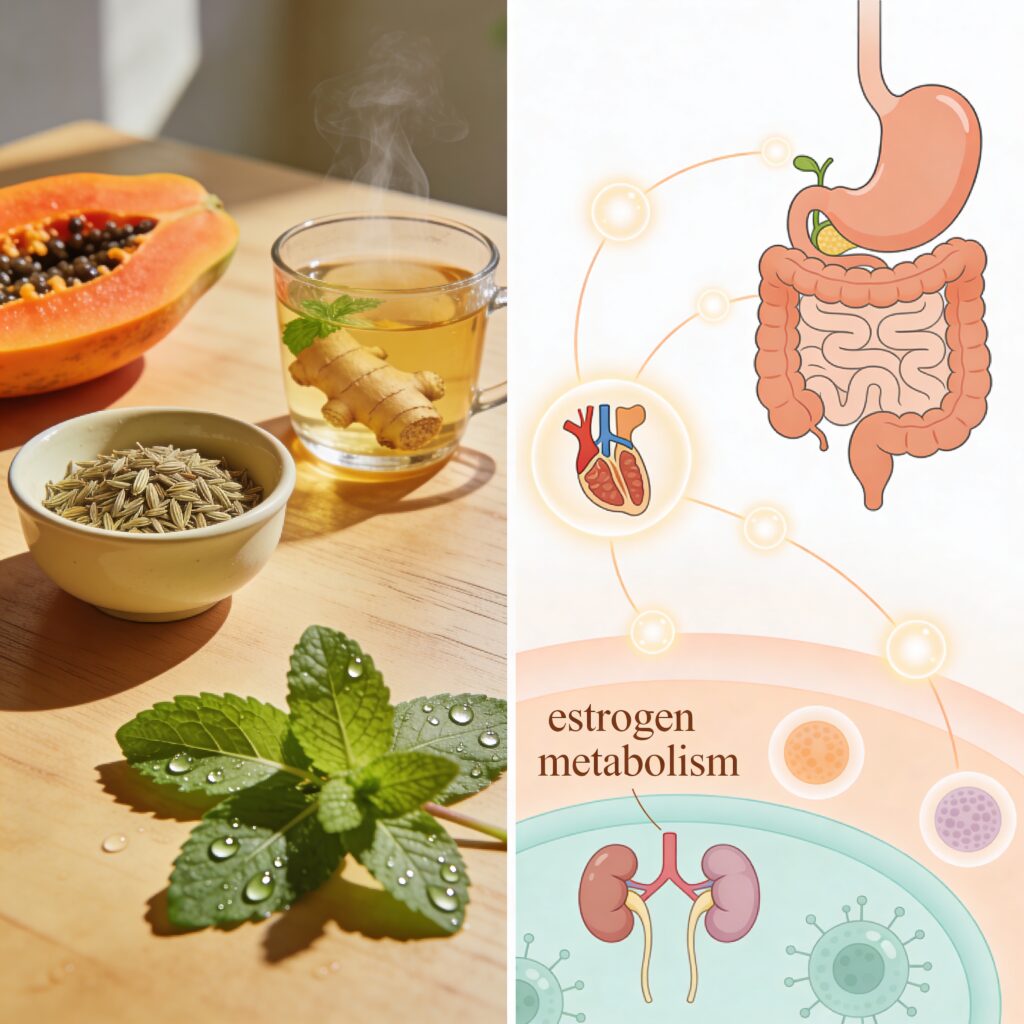
- Ginger — Anti-inflammatory, promotes gastric motility, and calms down an irritated gut. Fresh ginger tea is your best friend here.
- Papaya — Contains natural digestive enzymes called papain that help break down proteins and reduce that heavy, stuck feeling after meals.
- Fennel seeds — Old school remedy but it works. They relax the smooth muscle in your digestive tract and help trapped gas move along. Steep them in hot water for a quick tea.
- Fermented foods — Kimchi, sauerkraut, kefir. These introduce beneficial bacteria directly into your gut and support overall microbiome diversity. Just start slow if you’re not used to them because going too hard too fast can actually make bloating worse temporarily.
- Peppermint — Another smooth muscle relaxant. Peppermint tea after a meal can genuinley help if you’re prone to post-meal bloating.
The key with how to debloat fast with functional foods is consistency. One cup of ginger tea won’t undo months of gut imbalance, but building these foods into your daily routine creates real, lasting change.
The Fibermaxxing Guide for Beginners 2026
If you’re new to all this, don’t panic. This fibermaxxing guide for beginners 2026 is honestly simpler than it looks.
Start low and go slow. Seriously. If you jump from eating barely any fiber to loading up on lentils and flax, your gut will revolt. Bloating, gas, cramps — the whole nine yards. Increase your intake gradually over a few weeks and drink plenty of water. Fiber needs water to do its job properly.
Focus on variety. Different fibers feed different bacteria. You want a diverse microbiome, so rotate your sources. Don’t just eat the same oatmeal every single morning and call it done.
Consider seed cycling. This is where seed cycling comes in — the practice of eating specific seeds during different phases of your menstrual cycle to support hormone balance. Flax and pumpkin seeds during the follicular phase, sunflower and sesame during the luteal phase. The evidence is mostly anecdotal but a lot of people swear by it and the nutritional logic checks out.
Don’t forget your digestive enzymes. If you’re someone who struggles to break down high-fiber meals, a broad-spectrum digestive enzyme supplement taken with food can make a huge differnce in how you feel.
Pay attention to your body. Fibermaxxing isn’t one-size-fits-all. Some people thrive on higher amounts of soluble fiber while others do better with a mix of soluble and insoluble. Track how you feel, not just what you eat.
The Bottom Line
The whole point of fibermaxxing 2026 isn’t to turn eating into a science experiment. It’s about understanding that your gut and your hormones are deeply connected through the gut-hormone axis, and that something as simple as eating more of the right functional foods can genuinely transform how you feel day to day.
Whether you’re dealing with hormonal bloating, suspect you might have estrogen dominance, or you just want to support your microbiome health in a real, sustainable way — fiber is where it starts.
Not a magic pill. Not a detox tea. Just good, whole, prebiotic foods doing what they’ve always done. We’re just finally paying attention.
Now go eat some flaxseeds. Your estrobolome will thank you.