
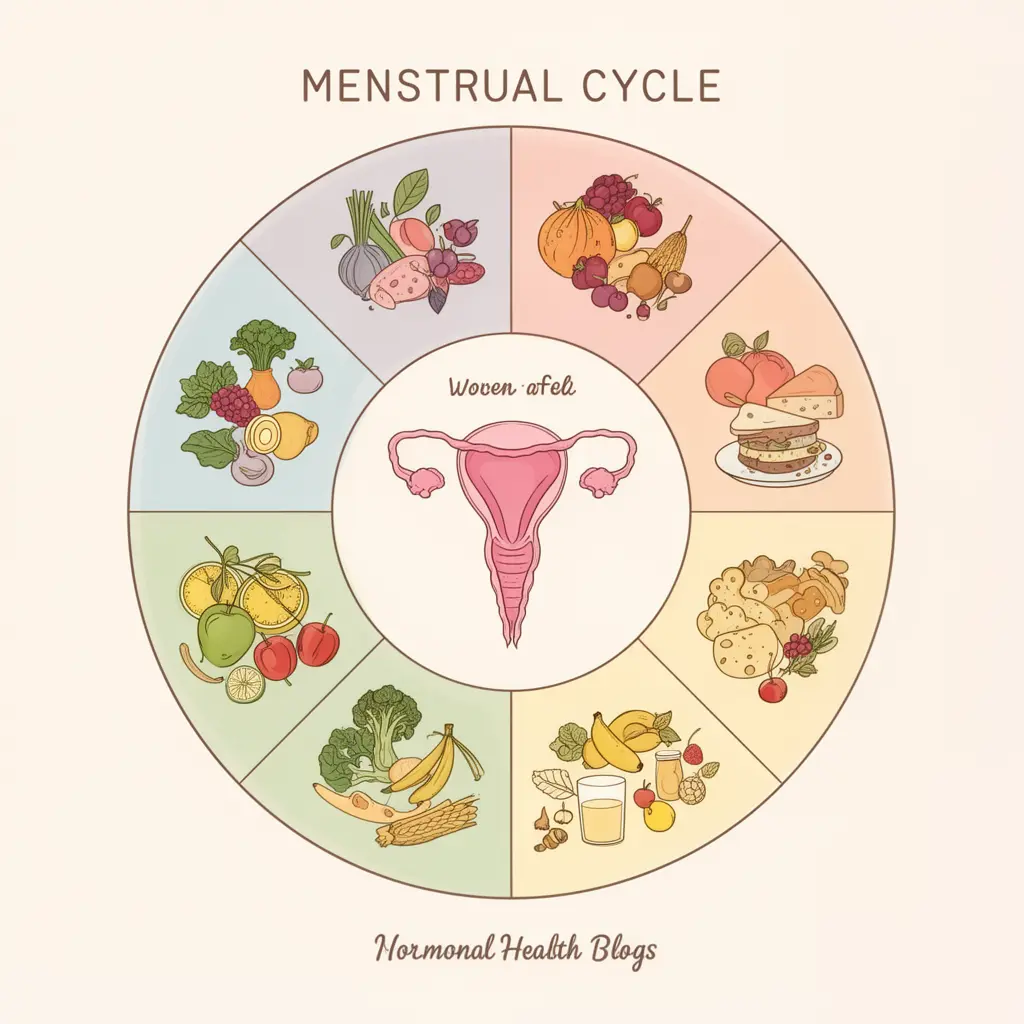
Okay, let’s talk about something that honestly changed how I think about food, energy, and my body in general. Cycle syncing. This cycle syncing food list explains exactly what to eat in each phase of your menstrual cycle to support hormonal balance, energy, and mood—without restrictive diets or guesswork.
If you’ve been seeing this term floating around wellness TikTok or stumbled across it on Pinterest, you’re not alone. But here’s the thing—it’s not just another trendy diet thing. There’s actual science behind eating in alignment with your hormones, and once you get the hang of it, everything kinda clicks into place.
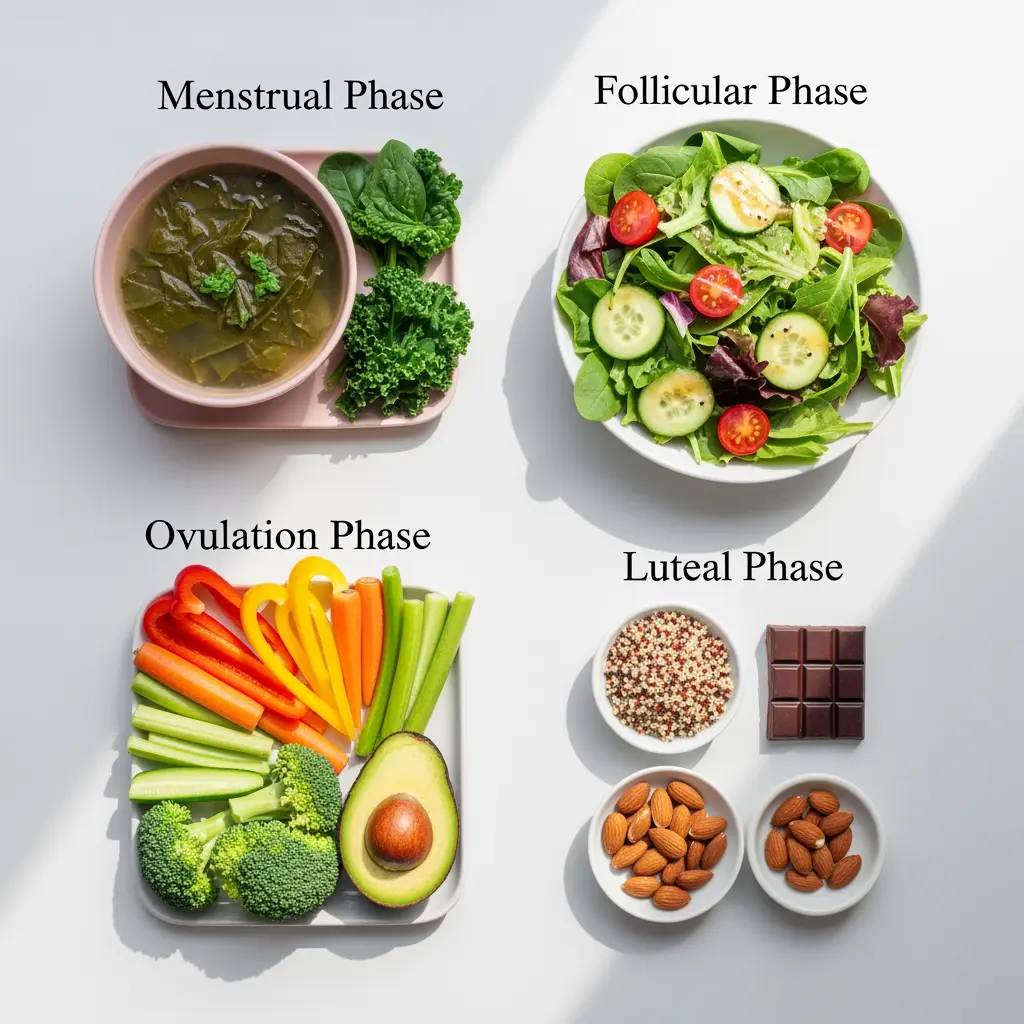
So what even is a cycle syncing food list, and why should you care? Basically, it’s about eating specific foods during each phase of your menstrual cycle to support what your body is naturally doing. Your hormones aren’t static—they shift dramatically throughout the month. And your nutritional needs? They shift too. Wild, right?
Let’s break this down phase by phase, because once you see it laid out, it makes so much sense.
The Menstrual Phase: Rest, Replenish, and Be Gentle
This is day one through roughly day five—when you’re actually bleeding. Energy is usually at its lowest, and honestly, your body is doing a lot of work shedding your uterine lining. Not the time to be running marathons or restricting calories, just saying.
During this phase, focus on warming, mineral-rich foods that help replenish what you’re losing. Iron is huge here because, well, blood loss. You might also crave comfort foods, and that’s not weakness—that’s your body talking.
Foods to prioritize:
- Dark leafy greens like spinach and kale
- Beets and root vegetables
- Red meat or lentils for iron
- Bone broth or warming soups
- Dark chocolate—yes, really
- Herbal teas like ginger or chamomile
This is also a great time for healthy fats. Think avocados, olive oil, and fatty fish. Your body needs fuel to repair, and fat-soluble vitamins are your friend right now.
The Follicular Phase: Fresh Starts and Light Energy
After your period ends, you enter the follicular phase—roughly days six through thirteen-ish. Estrogen starts climbing, energy picks back up, and you might notice you feel more… optimistic? Creative? Ready to take on the world?
This phase is all about fresh, vibrant, lighter foods. Your metabolism is a bit slower here, so you don’t need as many calories, but you do need nutrients that support estrogen metabolism.
What to reach for:
- Fermented foods like kimchi, sauerkraut, and yogurt
- Sprouted grains and seeds
- Fresh salads with tons of raw veggies
- Citrus fruits and berries
- Lean proteins like chicken or fish
- Eggs—especially the yolks
The follicular phase is often when people feel motivated to try new recipes or experiment in the kitchen. Lean into that. Your gut is primed for lighter fare, and your brain is craving novelty.
The Ovulatory Phase: Peak Energy and Social Vibes
This is a short window—usually just a few days around ovulation, roughly days fourteen through seventeen. Estrogen peaks, testosterone gets a little bump, and this is typically when you feel your absolute best. Energy is high, confidence is up, skin might even be glowing.
Your body can handle more intense workouts during this phase, and nutritionally, you want foods that support liver function and help your body process that estrogen surge efficiently. This is key because excess estrogen that doesn’t get properly metabolized can lead to all kinds of annoying symptoms later in your cycle.
Foods that support ovulation:
- Cruciferous vegetables—broccoli, cauliflower, Brussels sprouts
- Fiber-rich foods to help eliminate excess hormones
- Lighter grains like quinoa or amaranth
- Antioxidant-packed fruits like raspberries and strawberries
- Raw nuts and seeds, especially sunflower seeds
Also, this is a great phase for social meals. You’re naturally more extroverted, so cooking for friends or trying that new restaurant feels easy. Go with it.
The Luteal Phase: Slow Down and Nourish Deep
Ah, the luteal phase. Days eighteen-ish through twenty-eight. This is where things can get… interesting. Progesterone rises, estrogen dips, and if you’re prone to PMS, this is when it hits. Bloating, cravings, mood swings, fatigue—sound familiar?
Here’s the deal: what to eat during luteal phase for energy is one of the most searched questions around cycle syncing, and for good reason. Your metabolism actually speeds up during this phase, meaning you genuinely need more calories. Those cravings for carbs and sweets? They’re not random. Your body is burning more fuel.
The trick is satisfying those cravings with complex carbohydrates and magnesium-rich foods rather than processed junk that’ll spike your blood sugar and make everything worse.
Luteal phase essentials:
- Sweet potatoes and squash
- Brown rice, oats, and whole grains
- Magnesium-rich foods like pumpkin seeds and dark chocolate
- Bananas and other potassium-packed fruits
- Turkey and other tryptophan-containing proteins
- Healthy fats from nuts, seeds, and avocado
Progesterone rises during the luteal phase, which can lead to bloating. To combat this, try incorporating probiotic-rich foods like Milk Kefir. As we discussed in our Kefir vs Kombucha guide, kefir is a powerhouse for reducing gut inflammation.”
Magnesium is genuinely a game-changer during this phase. Research published in the Journal of Women’s Health has shown connections between magnesium intake and reduced PMS symptoms. And honestly, a square of dark chocolate at night during the luteal phase feels like medicine in the best way.
Why This Menstrual Cycle Phases Diet Guide Actually Works
So why does eating this way make such a difference? It comes down to supporting your hormones rather than fighting against them. When you eat hormone balancing foods for women that align with what your body needs at each phase, you’re reducing inflammation, supporting detox pathways, and giving your endocrine system the raw materials it needs to function smoothly.
And the benefits go beyond just feeling less crampy. Many people who follow a cycle syncing approach report improvements in cycle syncing for weight loss and mood—not because they’re restricting, but because they’re finally working with their biology instead of against it.
A study from the National Institutes of Health highlighted how nutritional intake can influence hormonal fluctuations and menstrual health outcomes. It’s not woo-woo. It’s physiology.
Getting Started Without Overthinking It
Look, you don’t need to be perfect with this. You don’t need a fancy app or a color-coded meal plan. Start by tracking your cycle for a month or two so you actually know what phase you’re in. Then, just notice. How do you feel? What sounds good? What makes you feel worse?
From there, start making small swaps. More iron-rich foods during your period. Lighter meals during the follicular phase. Extra carbs and magnesium during the luteal phase. That’s it. That’s the whole thing.
The cycle syncing food list isn’t about restriction—it’s about attunement. And once you start paying attention, you might be surprised at how much your body already knows what it needs. You just gotta listen.
1 thought on “The Ultimate Cycle Syncing Food List: What to Eat in Each Phase for Hormonal Balance”