
Okay, real talk. Have you ever felt like your body’s on a hormonal rollercoaster and you can’t figure out why? One week you’re bloated and irritable, the next you’re craving everything in sight, and your energy levels are basically non-existent. You’ve tried cutting carbs, adding supplements, even doing those trendy detox teas… but nothing’s really sticking.
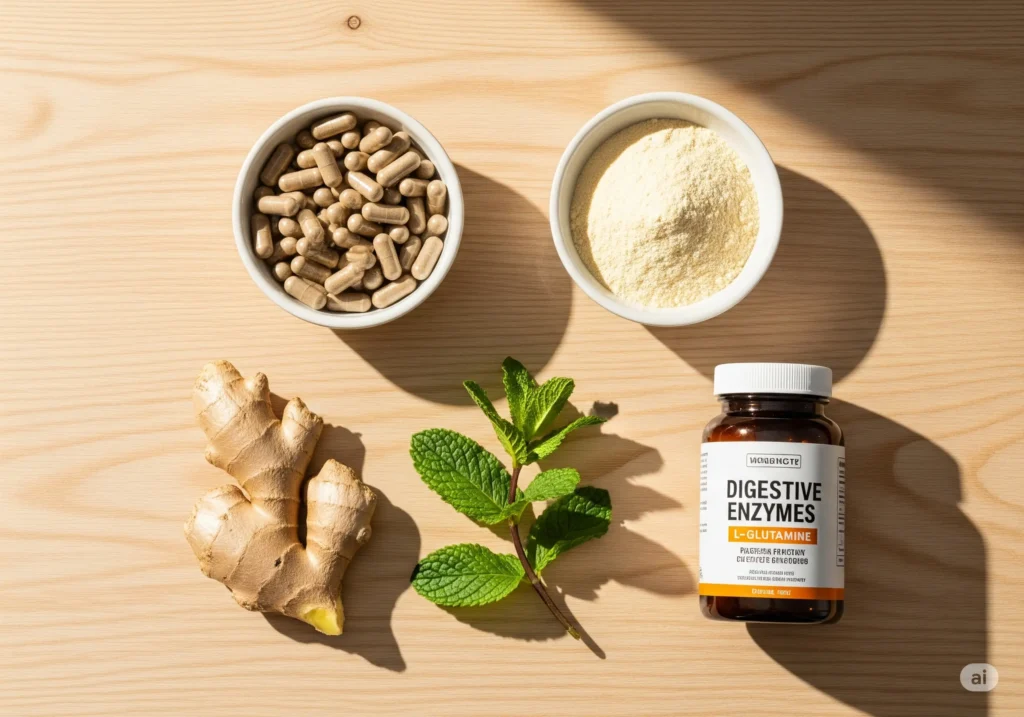
Here’s what most women don’t realize: your gut might be pulling the strings on your entire hormonal system.
Yep, that stomach of yours isn’t just for digesting last night’s dinner. It’s actually having full-blown conversations with your ovaries, thyroid, and adrenals. And when gut health and hormonal balance go sideways, everything from your mood to your metabolism takes a hit.
So let’s dig into what’s really happening inside your body and how fixing your gut could be the missing piece to finally feeling like yourself again.
Why Gut Health for Women Is So Much More Complicated
Women’s bodies are basically juggling acts. Between monthly cycles, pregnancy potential, perimenopause, and actual menopause, our hormones are constantly shifting. And guess what? Your gut microbiome is right there in the middle of it all, either helping you stay balanced or making things way worse.
The relationship between gut health and hormones isn’t some woo-woo wellness trend. Your gut produces and regulates hormones, metabolizes estrogen, and even influences how your body responds to insulin. When your digestive system is out of whack, it literally messes with your hormone production.
Think of your gut as the backstage manager of your hormonal concert. When it’s doing its job well, everything flows smoothly. But when it’s struggling? The whole show falls apart.
The Estrogen Gut Connection Nobody’s Talking About
Here’s where things get wild. Your gut contains something called the estrobolome, which is basically a collection of bacteria responsible for metabolizing estrogen. When your gut bacteria are balanced, they help break down and eliminate excess estrogen properly.
But when you’ve got digestive health for women issues like dysbiosis or leaky gut, these bacteria can’t do their job. The result? Estrogen gets reabsorbed into your bloodstream instead of being eliminated, leading to estrogen dominance.
This explains SO much, right? The tender breasts, heavy periods, mood swings, weight gain around your hips and thighs. It’s not just bad luck or aging, it’s your gut struggling to manage your hormones.
Signs Your Gut Is Affecting Your Hormones
Your body’s pretty good at sending signals when something’s off. You just gotta know what to look for.
Bloating and gut health issues are usually the most obvious sign. If you’re constantly feeling puffy, gassy, or uncomfortable after meals, your gut microbiome is probably imbalanced. But the hormonal signs are sneakier:
- Brain fog that hits around your period
- Insane sugar cravings during your luteal phase
- Skin breakouts that won’t quit
- Sleep issues despite being exhausted
- Anxiety that seems to spike with your cycle
- Stubborn weight that won’t budge no matter what you try
When gut health and weight loss resistance show up together, it’s usually because inflammation and hormone imbalances are working against you. Your gut bacteria actually influence how many calories you extract from food and whether your body stores fat or burns it.
How to Improve Gut Health Naturally Without Going Crazy
Alright, so you know your gut needs help. But where do you even start without turning your life upside down?
First off, forget about those hardcore elimination diets unless you’ve got serious food sensitivities. Most women just need to focus on adding good stuff in rather than constantly restricting.
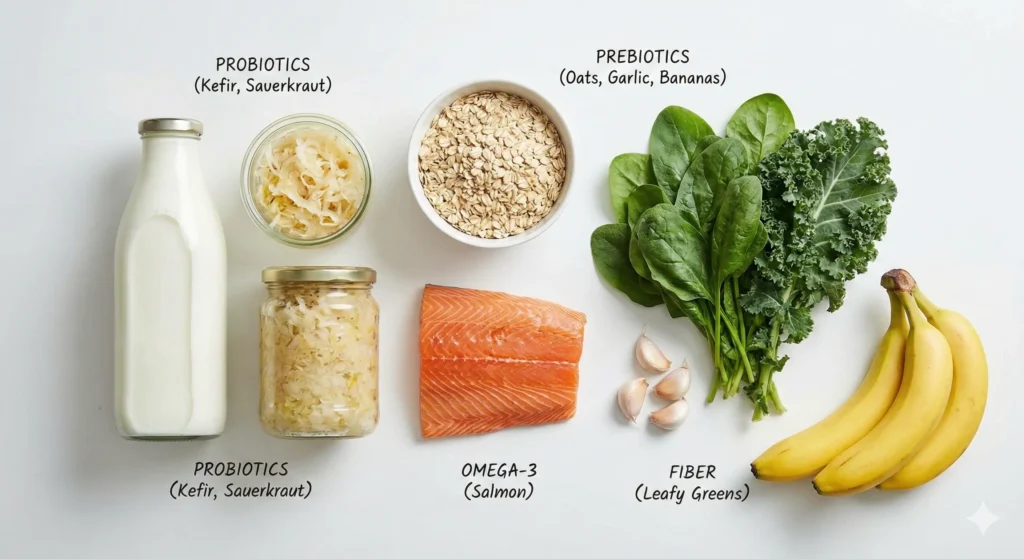
Fermented foods for gut health are your new best friends. We’re talking sauerkraut, kimchi, kefir, kombucha, and yogurt with live cultures. These foods deliver beneficial bacteria straight to your gut where they can start rebalancing your microbiome. Start small though, like a forkful of sauerkraut with lunch, because going too hard too fast can make bloating worse before it gets better.
Fiber is the other non-negotiable. Your gut bacteria feed on fiber, especially the prebiotic kind found in foods like garlic, onions, asparagus, bananas, and oats. The best foods for gut health women should eat regularly also include bone broth for healing the gut lining, wild-caught salmon for anti-inflammatory omega-3s, and plenty of colorful vegetables for polyphenols.
Common Gut Health Mistakes That Keep You Stuck
Even women who think they’re doing everything right often make a few critical mistakes that sabotage their progress.
Taking antibiotics without protecting your gut is huge. Every round of antibiotics wipes out both bad AND good bacteria, and if you’re not actively rebuilding your microbiome afterward, you’re setting yourself up for long-term issues.
Stress is another massive gut destroyer that women chronically underestimate. When you’re constantly running on cortisol, your gut literally can’t heal properly. Blood flow gets diverted away from digestion, your gut lining becomes more permeable, and inflammation goes up.
Oh, and overdoing the intense workouts while under-eating? That’s a recipe for gut and hormone disaster. Your body perceives that as a stress threat, which tanks your gut health and throws your cycle off.
How Long Does It Take to Heal Gut Health?
This is the question everyone wants answered, and honestly, it depends on how damaged things are to begin with.
For mild issues like occasional bloating or irregular digestion, you might feel noticeably better within a few weeks of cleaning up your diet and adding in probiotics. But for deeper problems like leaky gut, SIBO, or significant dysbiosis, how long does it take to heal gut issues can range from three months to a full year.
Your hormones usually take a bit longer to recalibrate. Most women start noticing improvements in their cycles and symptoms around the three to four month mark once they’ve been consistently supporting their gut health. Patience is annoying but necessary.
Gut Health for PMS and Menopause Support
Gut health for hormone balance becomes even more critical during major hormonal transitions.
For PMS, a healthy gut helps metabolize excess estrogen and supports serotonin production, which can reduce mood swings, cravings, and that general feeling of wanting to fight everyone. About 90% of your serotonin is actually made in your gut, which explains why gut problems and mood issues go hand in hand.
During perimenopause and menopause, when estrogen naturally declines, your gut’s ability to support the estrogen you DO have becomes crucial. A healthy microbiome can help reduce hot flashes, support bone density, and maintain cognitive function.
Making It Stick: Your Gut Health Game Plan
Look, healing your gut and balancing your hormones isn’t about perfection. It’s about consistently making better choices that support your body instead of fighting against it.
Focus on eating real, whole foods most of the time. Add fermented foods regularly. Manage your stress in whatever way actually works for you, whether that’s yoga, walking, or just saying no to things that drain you. Get solid sleep. Move your body in ways that feel good, not punishing.
And maybe most importantly? Stop seeing your body as the enemy. Your gut and hormones are literally trying to protect and support you. When you give them what they need, they’ll return the favor in ways you probably forgot were possible.
The connection between women’s hormonal balance naturally and digestive health isn’t just some wellness theory. It’s the foundation of how your body actually works. Start there, stay consistent, and watch everything else start falling into place.
Your future self, complete with clear skin, stable moods, and jeans that zip easily, is gonna thank you.
Scientific & Medical References (External Sources)
- Harvard Health Publishing – Digestive Health & FODMAPs
https://www.health.harvard.edu/digestive-health - Monash University – Low FODMAP Diet (Global Authority)
https://www.monashfodmap.com - Cleveland Clinic – Bloating Causes & Gut Health
https://health.clevelandclinic.org/bloating-causes