

SEO Keywords: gut health for women, improve digestive health, heal gut naturally, women’s digestion, probiotics for women, gut microbiome, digestive wellness
Introduction: Why Your Gut Deserves Your Attention
You know that feeling when your jeans are suddenly two sizes too tight, even though the scale hasn’t budged? Or when you’re bloated every single afternoon, no matter what you eat? Yeah, we need to talk about your gut.
Here’s the thing nobody tells you: gut health for women isn’t just about pooping regularly or avoiding stomach aches. Your gut is basically running the show behind the scenes, controlling everything from your mood swings to your hormone balance to whether you can lose those last ten pounds or not. And if you’ve been feeling off lately—tired, moody, puffy, or just kinda blah—there’s a pretty solid chance your gut is waving a giant red flag.
The good news? You can totally heal your gut naturally, without weird supplements or restrictive diets that make you miserable. But first, you need to understand what’s actually going on down there.
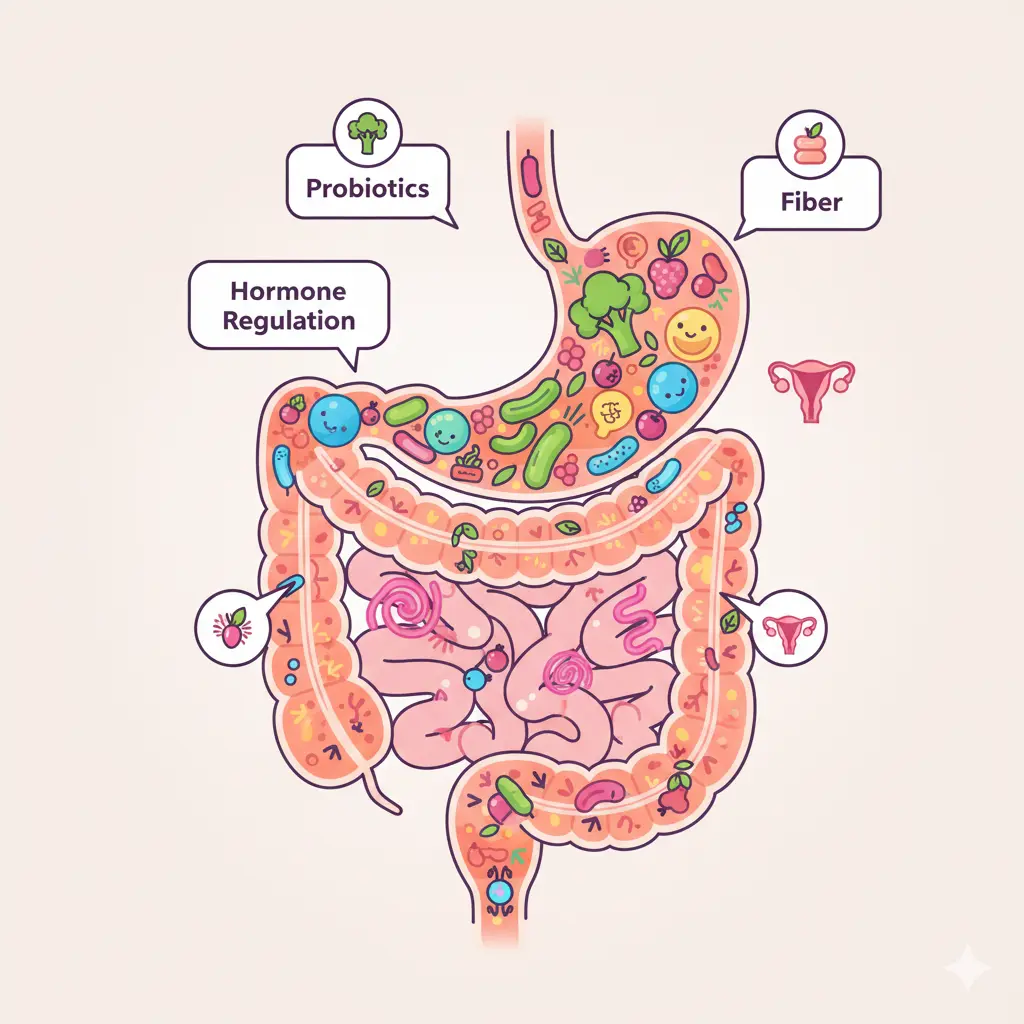
Why Gut Health for Women is Unique
Let’s be real: women’s bodies are complicated. We’re dealing with monthly hormone fluctuations, pregnancy, perimenopause, menopause, birth control, stress that never seems to end, and a society that constantly tells us to do more with less sleep. Our guts are literally trying to keep up with all of this chaos.
The Unique Connection Between Female Hormones and Digestion
Digestive health for women is uniquely tied to our hormonal cycles in ways that most people don’t realize. Your gut bacteria actually help metabolize estrogen. When your gut microbiome is out of whack, you can end up with estrogen dominance, which leads to weight gain, heavy periods, mood swings, and a whole cascade of other fun stuff nobody wants.
Plus, women are statistically more likely to deal with digestive issues like IBS, bloating, and constipation. Some researchers think this might be because our intestines are literally longer than men’s, or because estrogen and progesterone affect gut motility. Whatever the reason, our digestive systems need extra love and attention.
The Gut-Hormone Connection You Need to Know About
This is where things get really interesting. Gut health and hormones are so deeply connected that scientists now call the gut microbiome an endocrine organ. Basically, your gut bacteria are producing and regulating hormones right alongside your ovaries, thyroid, and adrenal glands.
How Your Gut Regulates Hormones
When your gut is healthy, it helps break down and eliminate excess hormones properly. But when your gut is struggling, you can end up reabsorbing hormones that should’ve been eliminated, leading to hormonal imbalances. This is especially true for estrogen.
Your gut bacteria also produce neurotransmitters like serotonin and dopamine. In fact, about 90 percent of your serotonin is made in your gut. So if you’ve been feeling anxious, depressed, or emotionally unstable, your gut might be the culprit, not just your hormones or stress levels.
The Menstrual Cycle and Digestive Changes
And here’s something wild: your menstrual cycle affects your gut too. Right before your period, when progesterone drops and prostaglandins increase, many women experience diarrhea or loose stools. During ovulation, you might get constipated. It’s all connected, and it’s all normal, but it also means that healing your gut can significantly improve your hormonal symptoms.
Can Fixing Your Gut Actually Help You Lose Weight?
Short answer: yes. Long answer: it’s complicated, but still yes.
The Science Behind Gut Health and Weight Management
The relationship between gut health and weight loss is one of the most researched areas in gastroenterology right now. Studies show that people in higher-weight bodie stend to have less diverse gut bacteria compared to people at healthy weights. “And when researchers transplant gut bacteria from lean mice into heavier mice, the heavier mice lose weight.”
Your gut bacteria affect your weight in several ways:
- They determine how efficiently you extract calories from food
- They influence inflammation levels, which impacts insulin resistance and fat storage
- They produce hormones that regulate appetite and satiety
- They affect how your body stores fat versus burns it for energy
Realistic Expectations for Weight Loss
But here’s what nobody wants to hear: you can’t just pop a probiotic and expect to drop twenty pounds. Gut health and weight loss work together as part of a bigger picture that includes what you eat, how you sleep, your stress levels, and how much you move.
What you can do is support your gut health naturally, which then makes it easier for your body to maintain a healthy weight. When your gut is thriving, you’ll probably notice reduced cravings, less bloating, more consistent energy, and yeah, potentially some weight loss too.
“When it comes to gut health for women, managing a healthy weight is often about microbiome diversity, not just calories.”
How to Improve Gut Health for Women Naturally
Okay, so you’re convinced that your gut needs some TLC. Where do you even start?
The foundation of how to improve gut health naturally is surprisingly simple, even if it’s not always easy. You need to feed the good bacteria, starve the bad bacteria, and avoid things that damage your gut lining. That’s it. But the details matter.
Feed Your Good Bacteria the Right Stuff
Your beneficial gut bacteria thrive on fiber, specifically the kind found in plants. We’re talking vegetables, fruits, whole grains, legumes, nuts, and seeds. The more variety, the better.
Each type of plant food feeds different bacterial strains, so eating thirty different plant foods per week is like throwing a massive party where all your good bacteria get exactly what they need. It sounds like a lot, but it adds up quickly when you count herbs, spices, different types of lettuce, various nuts, and so on.
Best foods for gut health women should focus on include:
- Dark leafy greens like spinach, kale, and arugula
- Cruciferous vegetables such as broccoli, cauliflower, and Brussels sprouts
- Colorful vegetables like beets, carrots, and bell peppers
- Berries, apples, and pears with the skin on
- Whole grains like oats, quinoa, and brown rice
- Legumes including lentils, chickpeas, and black beans
- Healthy fats from avocados, olive oil, and fatty fish
These foods don’t just feed your gut bacteria. They also provide the nutrients your gut lining needs to stay healthy and the fiber that keeps everything moving smoothly.
The Magic of Fermented Foods
Let’s talk about fermented foods for gut health because this is where things get delicious and powerful.
Fermented foods are basically foods that have been preserved through the process of lacto-fermentation, where natural bacteria feed on the sugar and starch in the food, creating lactic acid. This process not only preserves the food but also creates beneficial enzymes, B vitamins, and probiotics.
The cool thing about fermented foods is that they deliver live beneficial bacteria directly to your gut. Unlike probiotic supplements, which might not survive your stomach acid, food-based probiotics come packaged with the nutrients and prebiotics that help them thrive.
Some of the best fermented foods to add to your diet include:
- Sauerkraut, but make sure it’s unpasteurized and refrigerated
- Kimchi, which is spicy, tangy, and loaded with beneficial bacteria
- Kefir, a fermented milk drink that’s like drinkable yogurt on steroids
- Plain yogurt with live active cultures
- Kombucha, though watch the sugar content
- Miso paste for soups and dressings
- Tempeh as a protein source
Start small if you’re new to fermented foods. Like, a tablespoon of sauerkraut per day small. Your gut needs time to adjust, and jumping in with huge amounts can cause temporary bloating and gas as your microbiome shifts.
Bloating and Gut Health: Why You Feel Like a Balloon
Bloating and gut health are so intertwined that bloating is often one of the first signs that something’s off with your digestive system. But here’s the frustrating part: bloating can happen for a million different reasons.
Understanding Your Bloating Triggers
Sometimes bloating is caused by eating too fast and swallowing air. Sometimes it’s from eating foods your gut bacteria struggle to break down, like beans or cruciferous vegetables, especially if you’re not used to eating them. Sometimes it’s from SIBO, where bacteria overgrow in your small intestine where they shouldn’t be. And sometimes it’s hormonal, which is why so many women bloat right before their period.
If you’re dealing with chronic bloating, try keeping a food and symptom journal for a couple weeks. Note what you eat, when you eat it, and how you feel afterward. Patterns will probably emerge that help you identify your specific triggers.
Practical Tips to Reduce Bloating
Some general tips that help most people with bloating:
- Eat slowly and chew thoroughly
- Drink water between meals rather than with meals
- Try a short walk after eating to aid digestion
- Reduce processed foods and added sugars
- Consider trying a low FODMAP elimination diet temporarily
- Manage stress, which directly impacts gut motility
The goal isn’t to avoid every food that might cause bloating forever. The goal is to heal your gut so it can handle a wider variety of foods without making you uncomfortable.
Common Gut Health Mistakes That Keep You Stuck
Even when you’re trying to do everything right, it’s easy to accidentally sabotage your gut healing journey. These common gut health mistakes trip up almost everyone at some point:
Mistake #1: Taking Antibiotics Without Gut Protection
Taking antibiotics without protecting your gut. Sometimes antibiotics are absolutely necessary, but they kill off good bacteria along with the bad ones. If you need antibiotics, take them, but also eat extra fermented foods and consider a high-quality probiotic during and after treatment.
Mistake #2: Over-Sanitizing Everything
Over-sanitizing everything. Yes, wash your hands and clean your kitchen, but you don’t need antibacterial soap and hand sanitizer every five minutes. A little dirt exposure is actually good for your microbiome diversity.
Mistake #3: Excessive Alcohol Consumption
Drinking too much alcohol regularly. Alcohol damages your gut lining and disrupts your microbiome. You don’t have to become a teetotaler, but if you’re drinking daily or binge drinking on weekends, your gut can’t heal properly.
Mistake #4: Prioritizing Sleep Less
Skipping sleep. Your gut has a circadian rhythm just like the rest of your body. When you consistently sleep less than seven hours or have irregular sleep patterns, your gut bacteria get disrupted, inflammation increases, and your gut lining becomes more permeable.
Mistake #5: Eating the Same Foods Daily
Eating the same foods every single day. Variety matters so much for gut health. If you’re eating chicken, rice, and broccoli for every lunch because it’s easy or fits your macros, you’re starving most of your gut bacteria.
Mistake #6: Neglecting Stress Management
Not managing stress. Your gut and brain communicate constantly through the vagus nerve. Chronic stress literally changes your gut bacteria composition, slows digestion, and increases inflammation. You can eat perfectly, but if you’re stressed all the time, your gut won’t fully heal.
Mistake #7: Relying on Supplements Alone
Expecting quick fixes from supplements alone. Probiotics and other gut health supplements can be helpful, but they’re not magic pills. They work best when combined with dietary and lifestyle changes.
How Long Does It Take to Heal Your Gut?
This is probably the question everyone wants answered, and unfortunately, the answer is super individual. How long does it take to heal gut damage depends on how damaged your gut is, what’s causing the damage, and how consistently you implement healing strategies.
Timeline for Minor Gut Issues
If you have minor gut issues from a short course of antibiotics or a week of eating poorly on vacation, you might feel significantly better within a week or two of eating well and taking probiotics.
Timeline for Moderate Gut Dysfunction
If you have moderate gut dysfunction from years of a poor diet, chronic stress, or low-grade inflammation, you’re probably looking at three to six months of consistent effort before you notice major improvements.
Timeline for Severe Gut Damage
If you have severe gut damage from conditions like Crohn’s disease, celiac disease, or severe SIBO, healing might take six months to a year or even longer, and you’ll likely need to work with a healthcare provider.
What to Expect Along the Way
Most people start noticing some improvements within the first two to four weeks. Your energy might increase, bloating might decrease, and your bowel movements might become more regular. But full gut healing, where your microbiome is diverse and your gut lining is strong, takes longer.
The key is consistency and patience. Your gut didn’t get damaged overnight, and it won’t heal overnight either. But every single healthy meal, every good night of sleep, and every stress management technique you use is moving you in the right direction.
Building Your Gut-Healing Routine
Your Morning Routine
Morning: Start your day with a glass of water before coffee. If you can handle it, add some lemon. Have breakfast that includes protein, healthy fat, and fiber. Maybe that’s yogurt with berries and nuts, or eggs with avocado and whole grain toast.
Throughout Your Day
Throughout the day: Stay hydrated with water, not just coffee or diet soda. Try to eat meals at roughly the same times each day to support your gut’s circadian rhythm. Include vegetables at lunch and dinner. Add a spoonful of sauerkraut or kimchi to your lunch.
Your Evening Routine
Evening: Finish eating at least three hours before bed so your gut has time to digest before you sleep. Wind down without screens for the last hour before bed. Get seven to eight hours of sleep.
Your Weekly Habits
Weekly: Aim for thirty different plant foods throughout the week. Try a new vegetable or whole grain you’ve never had before. Move your body in ways you enjoy, whether that’s walking, yoga, dancing, or lifting weights.
Non-Negotiable Daily Practices
Always: Manage stress through whatever works for you—meditation, therapy, journaling, time in nature, or just saying no to things that drain you. Your gut is listening to your stress levels, so this isn’t optional.
The Truth About Gut Health That Nobody Tells You
You’re going to have days when you eat pizza and drink wine. You’re going to have stressful weeks where you barely sleep. You’re going to skip the fermented foods because you just don’t feel like it. That’s normal. That’s human. That’s fine.
The women who successfully heal their guts and keep them healthy aren’t the ones who do everything perfectly. They’re the ones who keep coming back to healthy habits even after they slip up. They’re the ones who focus on what they’re adding in, not just what they’re taking out.
Your gut is resilient and wants to heal. When you give it the right conditions—good food, adequate sleep, managed stress, and time—it will absolutely respond.
Moving Forward With Confidence
If you take nothing else from this guide, remember this: digestive health for women is foundational to basically everything else. Your energy, your mood, your hormones, your weight, your immune system, your skin, your mental clarity—all of it is influenced by what’s happening in your gut.
“Prioritizing gut health for women isn’t a trend; it’s the foundation of your long-term vitality.”